

The Ministry of Social Affairs, Veterans, and Youth Rehabilitation announced that it has no policy to establish elderly care centers but is urging the private sector to invest in such facilities.
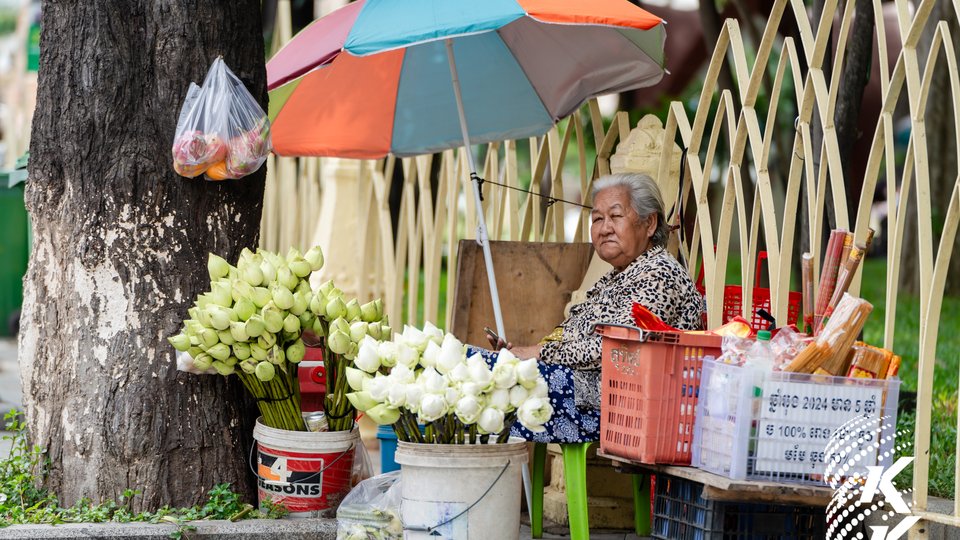
In recent years, the number of homeless and elderly people has risen, with studies showing they often live alone, have low income, and lack healthcare. Some also care for grandchildren left behind by their children.
The Ministry of Social Affairs, Veterans, and Youth Rehabilitation (MoSVY) reports there are 1,646 elderly associations in Cambodia, supporting 260,000 members. However, MoSVY spokesperson Toch Channy acknowledges these associations are insufficient and urges private sector investment to meet growing demand.
Cambodia has no state-run elderly care centers due to the constitutional expectation that children care for their parents. Instead, the ministry focuses on other centers like orphanages and drug rehabs. Channy encourages private sector involvement to create elderly care facilities, as the government lacks plans for them.
Channy highlighted Cambodia's tradition of children caring for aging parents, while Tum Vira from HelpAge International Cambodia noted that aging populations and declining birth rates are global issues, posing challenges like healthcare access and financial insecurity for the elderly.
Youth Migration Leaves Elderly Parents Behind
In Cambodian tradition, children are responsible for caring for their parents, not sending them to centers, according to Channy. Tum Vira, executive director of HelpAge International Cambodia, noted that the elderly population is rising while birth rates decline globally. This trend, along with longer life expectancy, presents challenges such as limited healthcare, income, and family support for older people.
“We have a tradition where older people are cared for by their children, but today, social norms and economic conditions have changed,” said Tum Vira.
He explained that better infrastructure has led young people to leave home for work in other provinces or countries, leaving their elderly parents behind. These older parents often take on the responsibility of caring for grandchildren and managing the household, especially in rural areas.
Shortage of Experts and Healthcare
Vira noted that as people age, they face illnesses, disabilities, and weakened immune systems. The healthcare system for the elderly in rural areas remains a challenge due to a shortage of experts.
“I've worked in this field, but there is little information about specialists for elderly care. Many older people also struggle financially, making it difficult to access treatment,” he added.
Cambodia currently lacks a program to provide free healthcare for the elderly.
OPAs and the Need for a National Elderly Care Policy
HelpAge has created a network of Older People’s Associations (OPAs) to improve the wellbeing of the elderly in Cambodia. These intergenerational OPAs offer a low-cost, community-based support system, providing access to healthcare, income-generating activities, and home care. Led by local volunteers, OPAs ease economic burdens and are endorsed by local authorities to implement rural development programs.
Cambodia's National Policy for the Elderly (2017-2030) ensures older adults can participate freely and with dignity in family, community, social, and political activities. It also aims to equip younger generations with knowledge for a healthy, productive old age. Vira noted that while a national healthcare policy for the elderly exists, there are few programs in place, and more needs to be done to put the policy into practice.

 1676.896 SRY