

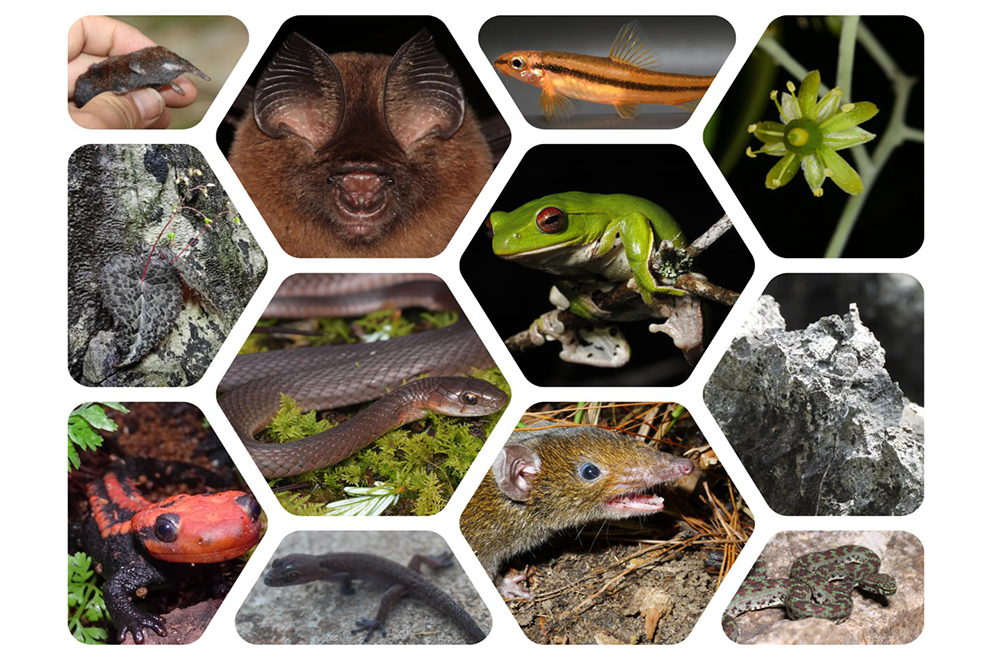
In 2023, scientists described 234 new species in the Greater Mekong region, according to a World Wide Fund for Nature (WWF) report released on December 16. These discoveries include a high-altitude crocodile newt, a soft-furred hedgehog, and a newly identified genus of palm tree, showcasing the region’s remarkable biodiversity.
The report emphasizes the urgency of habitat conservation and tackling wildlife trade to protect these unique species from extinction. It reflects the collaborative work of hundreds of scientists from universities, conservation organizations, and research institutes worldwide. Among the discoveries are 173 vascular plants, 26 reptiles, 17 amphibians, 15 fish, and three mammals found across Cambodia, Laos, Myanmar, Thailand, and Vietnam. Since 1997, this brings the total documented vascular plants and vertebrate species in the region to 3,623.
“These species have thrived in our region’s unique habitats for millennia,” said Chris Hallam, WWF Asia Pacific’s regional wildlife lead. “Each discovery represents a vital piece of our ecosystem and a testament to researchers’ tireless efforts under challenging conditions.”
Highlights include a ginger species with mango-scented roots, a leafless orchid likely threatened by overexploitation, and a bright orange crocodile newt found at altitudes of 1,800–2,300 meters. Other notable finds are a pit viper with striking "eyelash" scales, a keelback snake named after the Hmong ethnic group, and a tiny shrew mole weighing just eight grams.
Despite these remarkable discoveries, the Greater Mekong’s biodiversity faces threats from habitat loss, illegal wildlife trade, and climate change. WWF collaborates with communities, governments, and partners to conserve species, combat wildlife crime, and protect this extraordinary natural heritage.

 3232.039 SRY