

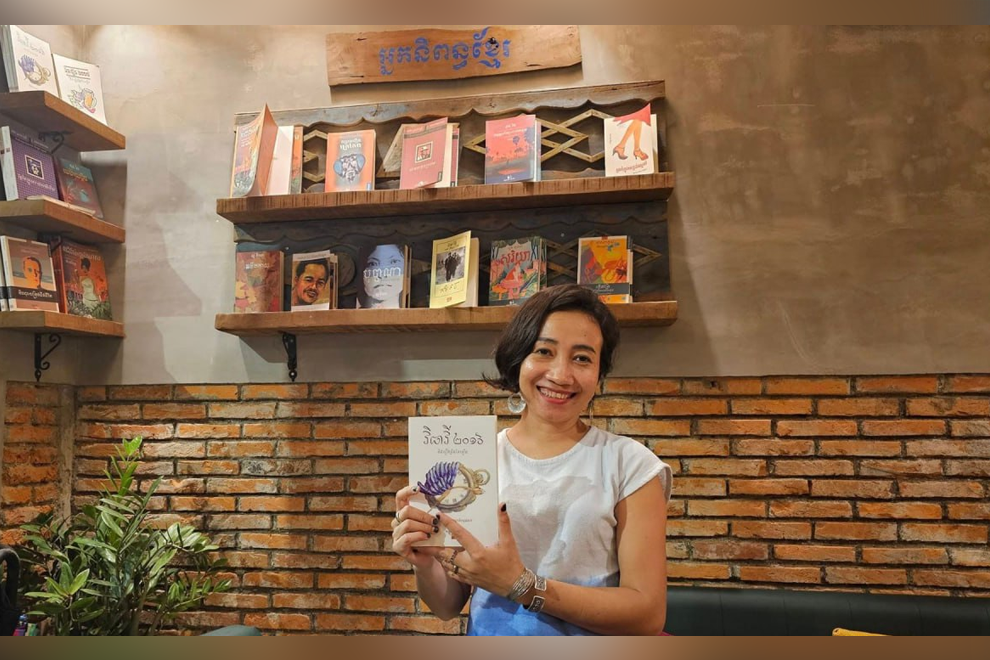
French Institute Hosts Writing Workshop to Boost Khmer Literature
The French Institute in Cambodia (IFC) is set to host a short story writing workshop in early February 2025 as part of its continued efforts to promote Khmer literature. Renowned author and publisher So Phina will lead the session, sharing her expertise and insights with aspiring writers.
Scheduled for February 8 from 2pm to 4pm, the workshop will be limited to just 15 participants to ensure a high-quality learning experience. "We want to maintain quality, so we’ve kept the group small," Phina explained. "Among them, some may already be writers, while others simply love reading and want to start writing. This workshop will bring them all together."
Participants will explore the fundamentals of short story writing, including structure, character development, and narrative conflict. The session will also incorporate advice from both Cambodian and international writers, alongside hands-on exercises. "They will learn the key qualities of a good short story writer, understand different themes, and develop their own style," Phina noted.
With Valentine’s Day approaching, the workshop will also address responsible storytelling, particularly in the portrayal of romance. Phina highlighted concerns about certain literature that romanticizes coercion, emphasizing the importance of writing about positive relationships. "Many stories normalize forced affection, which can perpetuate harmful social norms. I want participants to understand how to depict healthy relationships in their writing," she stressed.
With over 12 years of experience, Phina believes short story writing remains underrepresented in Cambodia, with limited publishing opportunities. However, she remains optimistic. "Once participants grasp the basics, they’ll gain confidence to write both short and long stories," she said.
"The more writers produce, the greater their chance of publication and readership. This will help grow Khmer literature, contribute to the industry, and encourage deeper thinking in society," she concluded.

 2822.530 SRY