

Navigating the US-China Rivalry: A Strategic Imperative for Cambodia
The intensifying trade rivalry between the United States and China is reshaping dynamics across the Asia-Pacific region, with significant implications for Cambodia. This challenge is set to grow as Donald Trump’s anticipated return to the US presidency could escalate trade disputes, forcing Cambodia to make strategic decisions to safeguard its economic and political stability.
China has long been a major investor in Cambodia, contributing to infrastructure, agriculture, and real estate development. Landmark initiatives like the Belt and Road Initiative (BRI) have transformed regions like Sihanoukville into bustling business hubs, solidifying China’s position as the largest provider of foreign direct investment (FDI). Meanwhile, the United States remains a vital market for Cambodia’s garment and textile industries, which are cornerstones of its economy.
During Trump’s previous presidency, US-China tensions were marked by heightened tariffs and restrictions, driving a push to decouple their economies. If similar policies return, Cambodia may face difficult choices, such as limiting Chinese investments or partnerships to maintain favorable ties with the US. These decisions require diplomatic finesse to balance competing interests without alienating either power.
The stakes are high for Cambodia, given its economic dependence on China and the risks of US-imposed trade sanctions. However, these tensions also present opportunities. As companies look to diversify supply chains, Cambodia could position itself as a competitive manufacturing hub for those shifting operations away from China.
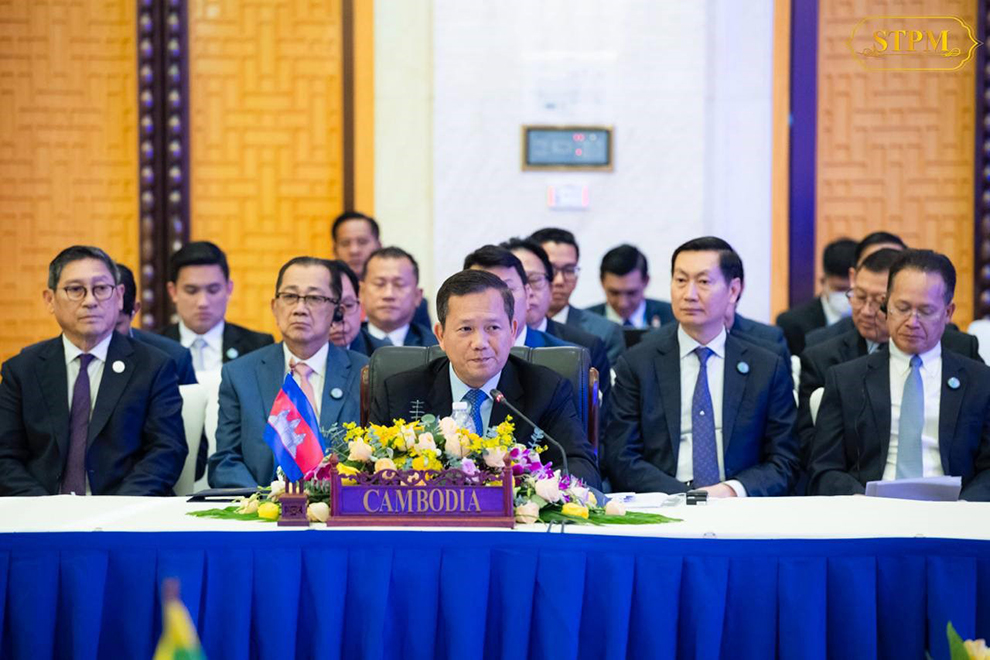
Cambodia’s membership in ASEAN provides a platform for regional collaboration, enabling it to counter external pressures through collective economic and security initiatives. Expanding trade partnerships with countries like Japan, South Korea, and the European Union is equally crucial. By leveraging agreements such as the Regional Comprehensive Economic Partnership (RCEP), Cambodia can diversify its economy and reduce over-reliance on any single partner.
To ensure resilience, Cambodia must invest in its local industries and infrastructure, fostering innovation and workforce development. Strengthening ties with both the US and China—while maintaining neutrality—will enable Cambodia to promote its interests without entanglement in their rivalry.
By adopting a balanced approach, Cambodia can protect its sovereignty, drive economic growth, and remain a stabilizing force amid an evolving regional landscape shaped by great-power competition.

 892.059 SRY